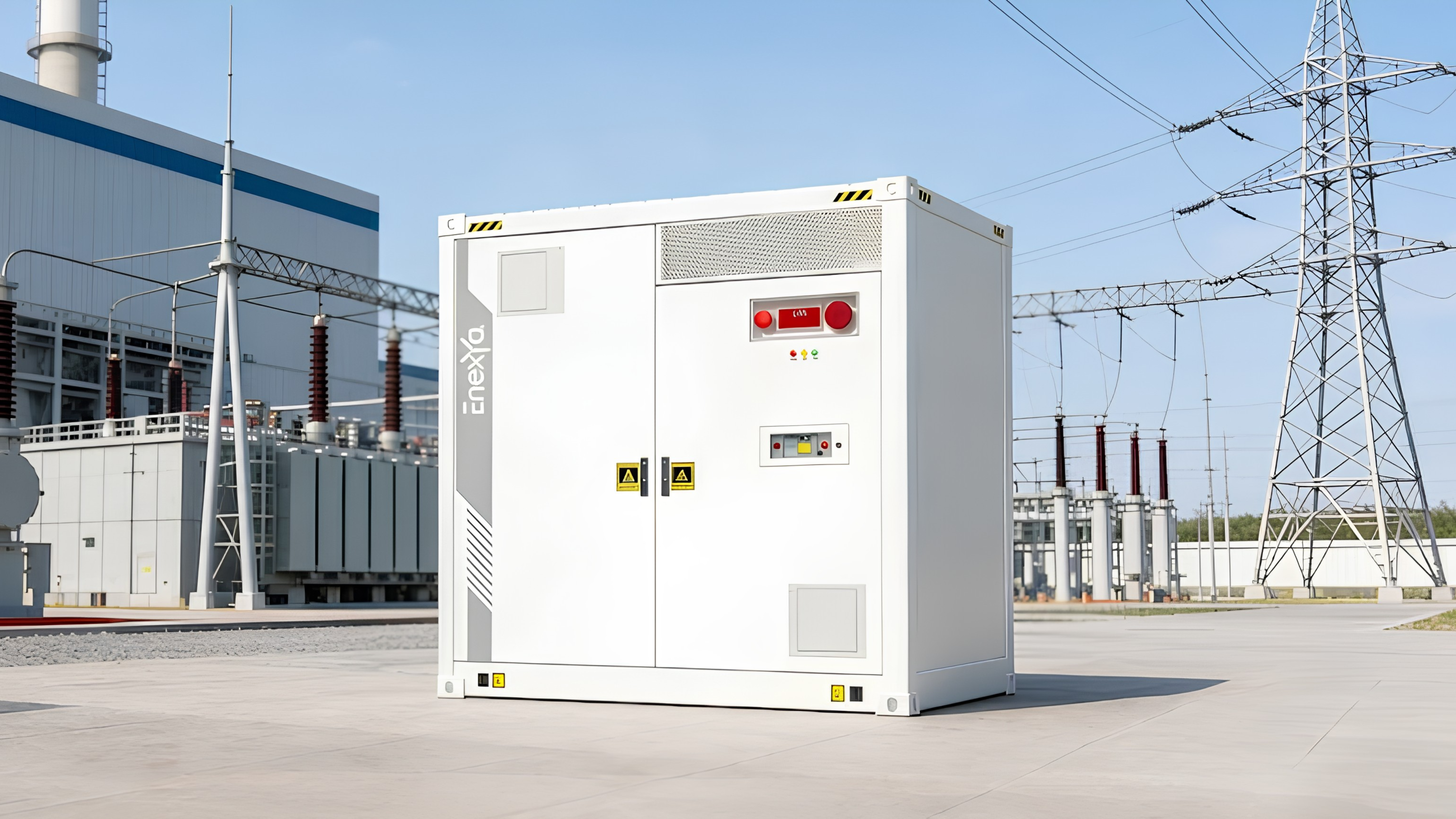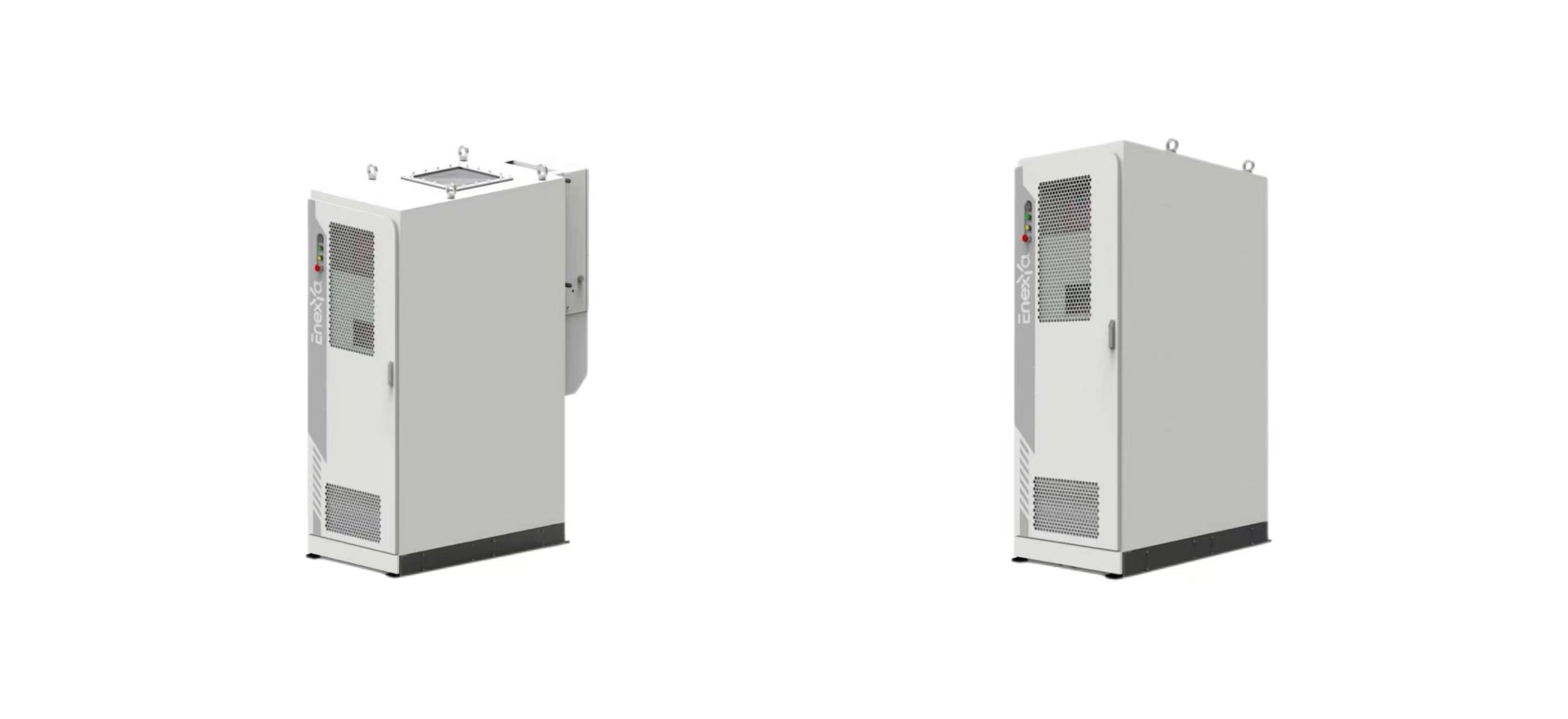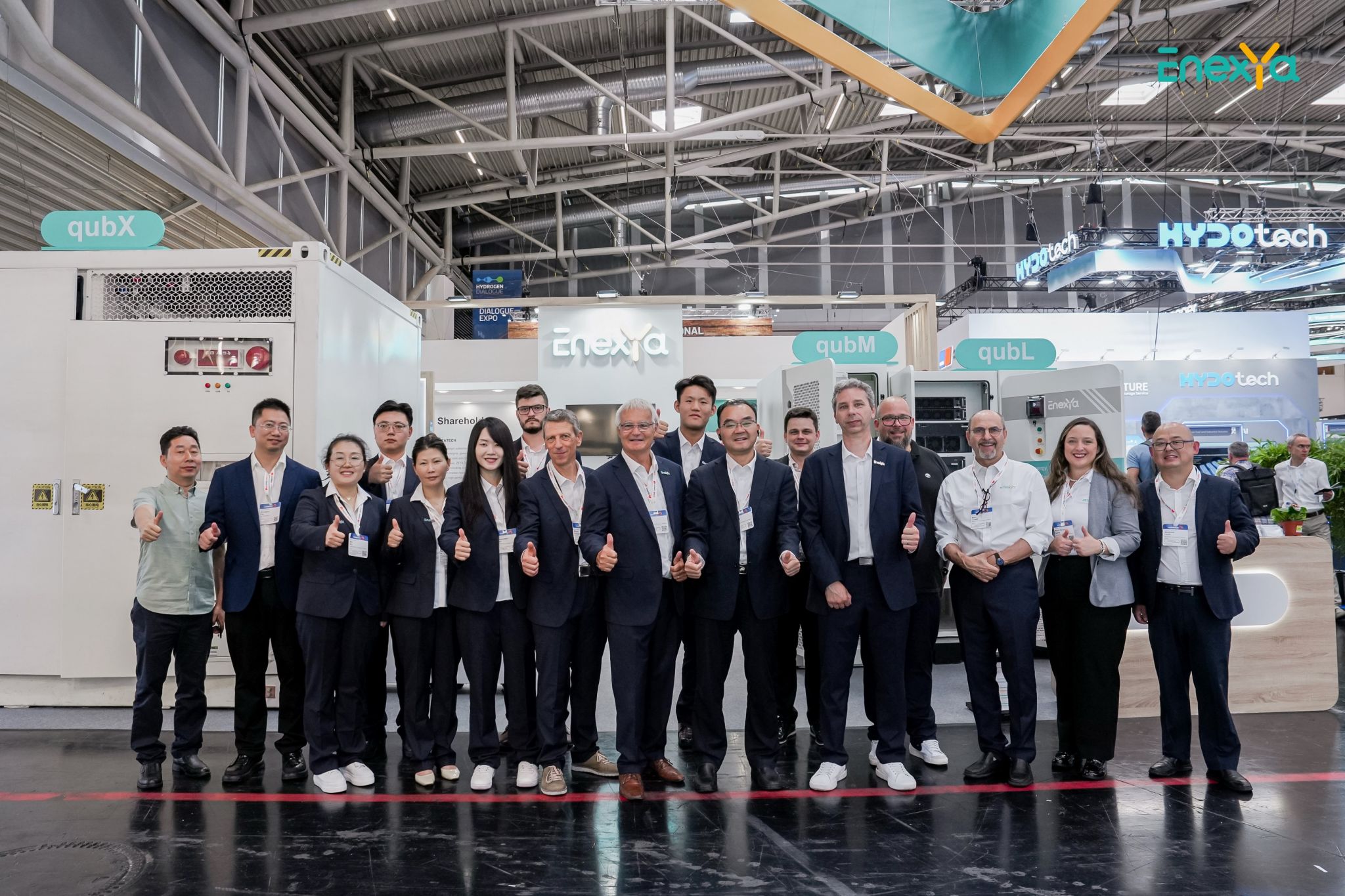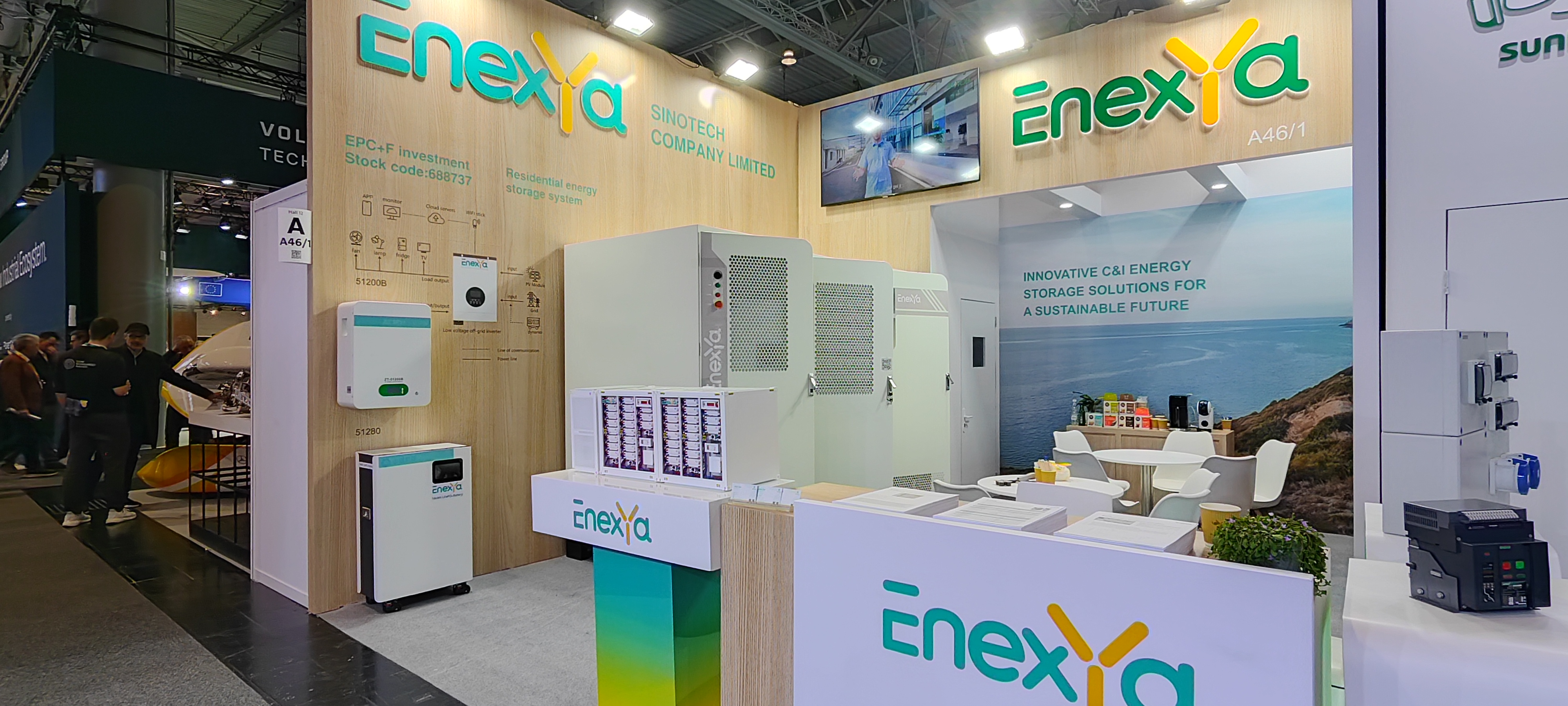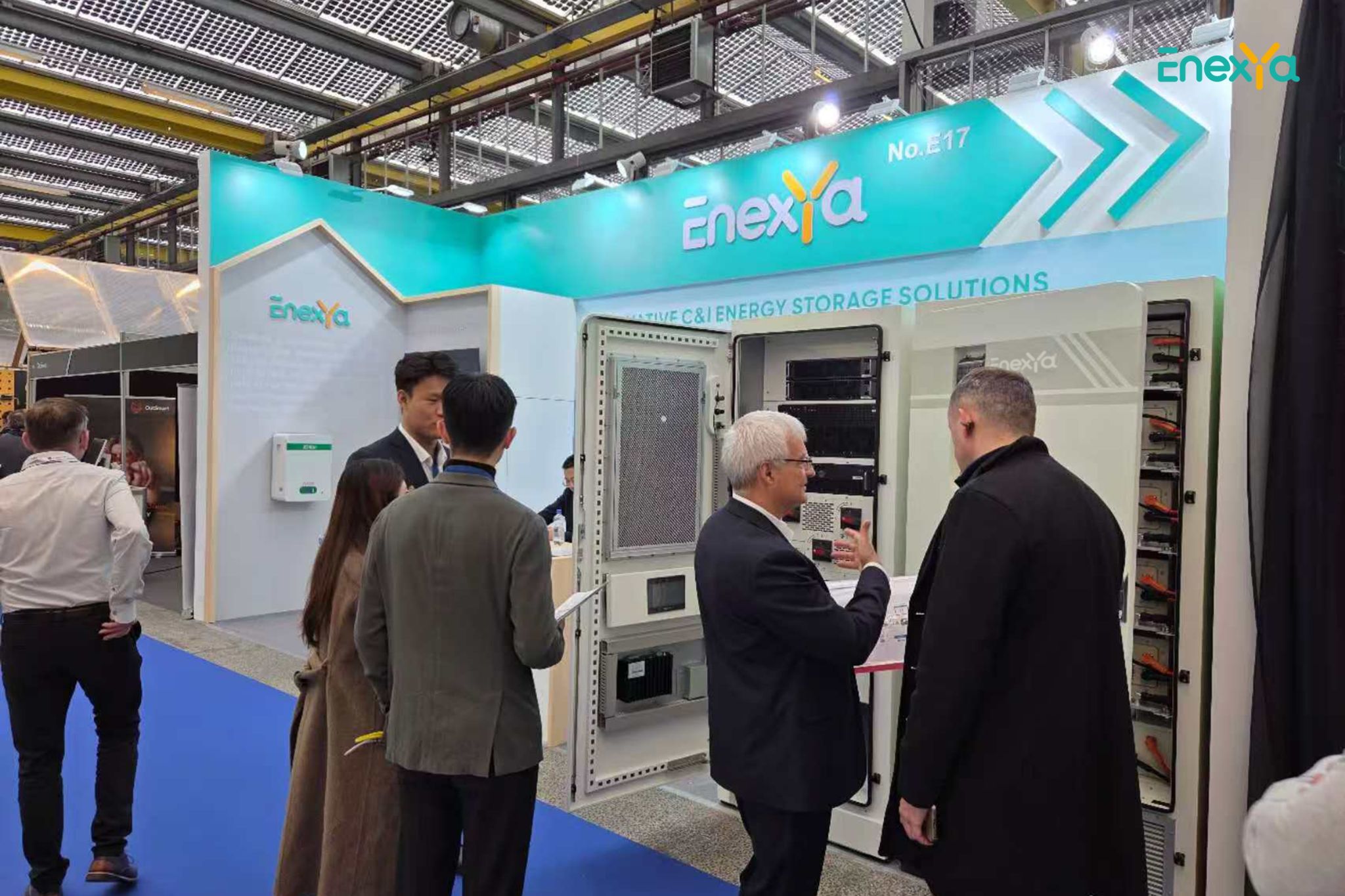
Commercial and industrial sites do not share a single energy profile. Available space, connection capacity, demand patterns and renewable generation all influence the design of a battery energy storage system. Enexya developed qubM and qubL to address different C&I project scales within a consistent approach to integration and energy management.
qubM is designed for smaller commercial and industrial sites. Current configurations include 30 kW/80 kWh and 50 kW/96 kWh. The compact platform can be considered for applications such as photovoltaic self-consumption, peak management, load shifting and selected continuity strategies.
Hybrid External and integrated configurations allow project teams to select an architecture that fits the existing electrical system and inverter strategy. The final design must follow a site-specific technical assessment.
qubL extends the portfolio to medium and larger commercial or industrial sites. The current 125 kW/261 kWh configuration combines an integrated power conversion system with a modular C&I storage architecture.
It is intended for projects that require more power and energy than a compact cabinet can provide, while retaining a structured route to system integration and control.
The choice between qubM and qubL should start with the use case. A project team should review the site load curve, photovoltaic production, grid connection, required operating hours, available installation area and future expansion plans.
Enexya supports this process with battery-system engineering and a European-designed EMS. The objective is to define a system around measurable site requirements, not to select equipment from capacity alone.
Share your project profile with Enexya to identify the appropriate C&I storage architecture.