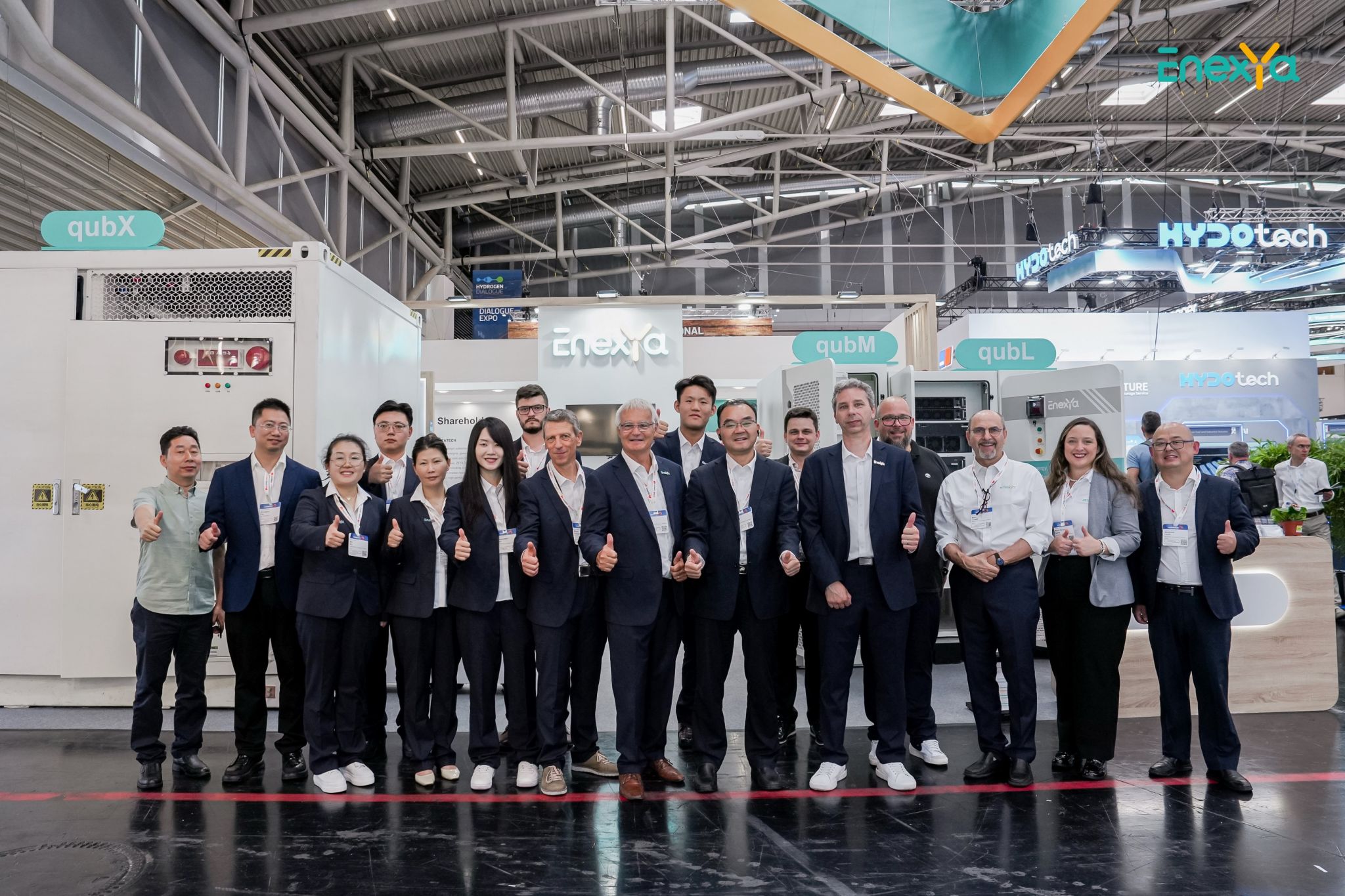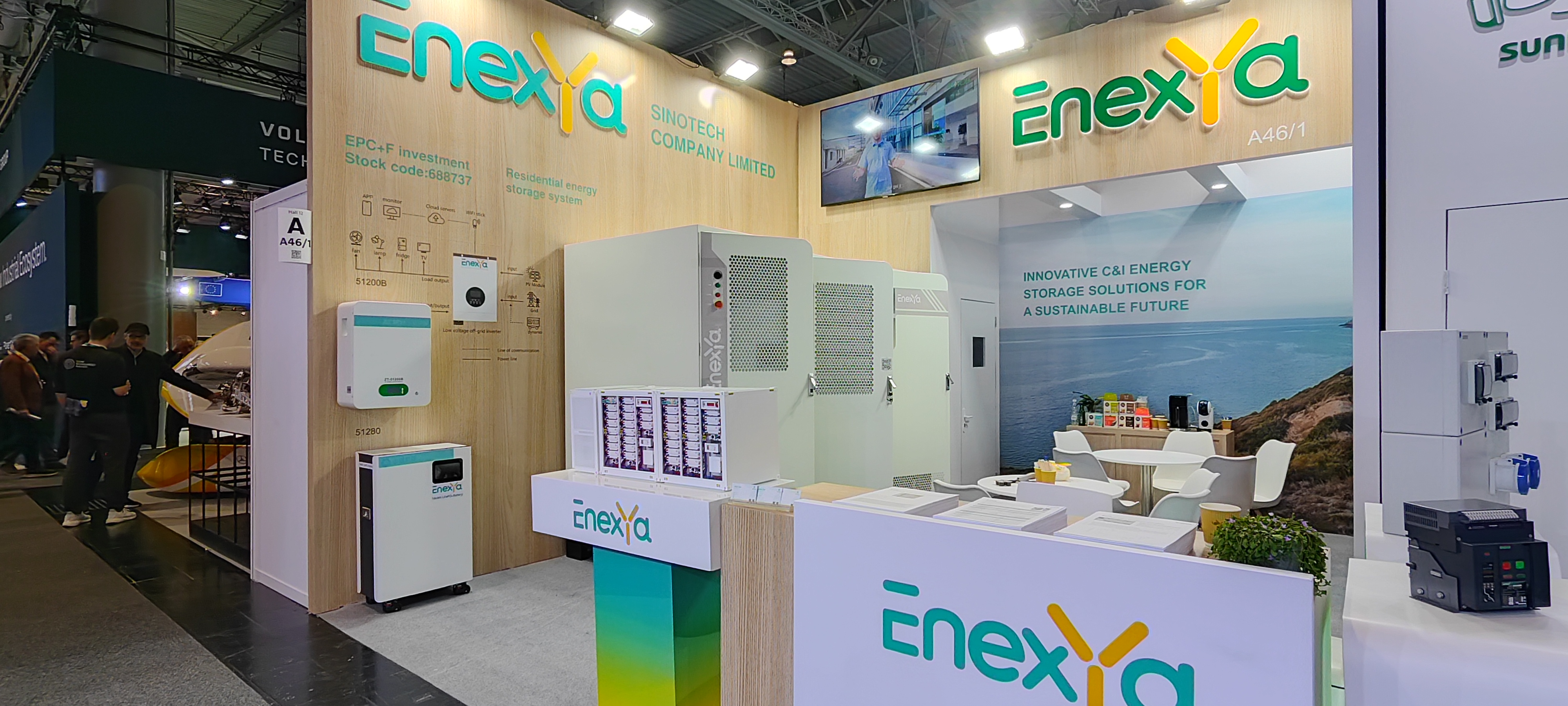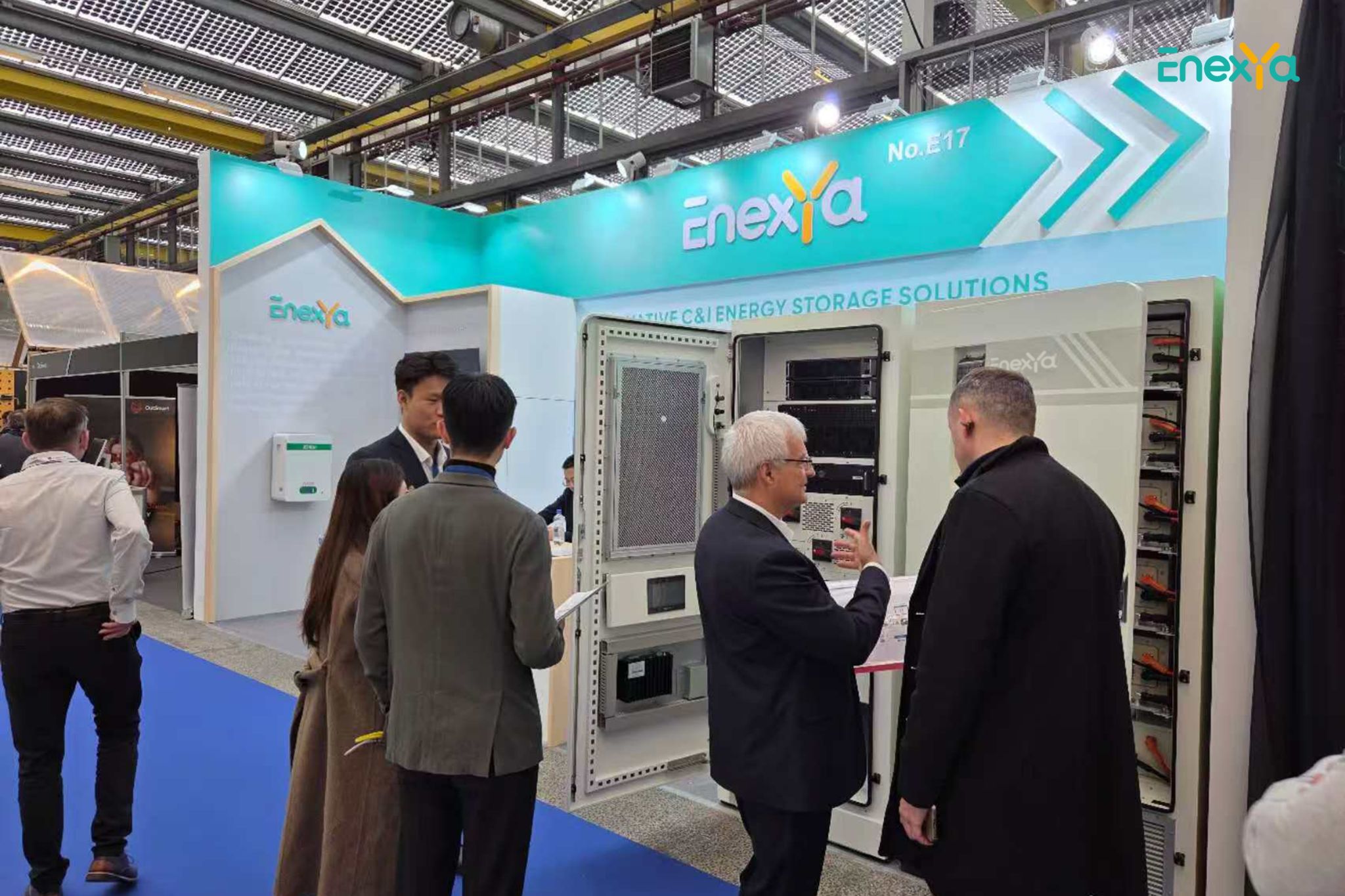
At Solar Solutions International 2026 in Amsterdam, Enexya joined energy professionals, installers and partners from across the Netherlands and Europe to exchange ideas on the evolving role of battery energy storage.
Over three days at the exhibition, our team had valuable conversations around solar, energy storage and the growing need for greater flexibility in the Dutch energy system.
As the Netherlands continues its energy transition, battery storage is becoming increasingly relevant alongside the country's established solar market.
The Netherlands has developed a strong distributed solar market. At the same time, increasing renewable generation and electrification are putting pressure on available grid capacity.
Grid congestion has become a significant challenge in many parts of the country, affecting both electricity consumption and new grid connections. This is increasing attention on solutions that can make more flexible use of existing grid capacity.
Battery energy storage can play an important role in this changing environment.
For commercial and industrial users, storage can help businesses make better use of on-site solar generation, manage electricity demand and increase flexibility in how and when energy is consumed.
The growing use of dynamic electricity pricing is also making intelligent energy management increasingly relevant, as the value of storage depends not only on how much energy can be stored, but also on when the battery charges and discharges.
These market developments were reflected in many of the conversations we had at Solar Solutions International.
Rather than considering battery storage as a standalone asset, more projects are looking at the complete energy system — combining solar generation, battery storage, site loads, grid connections and intelligent energy management.
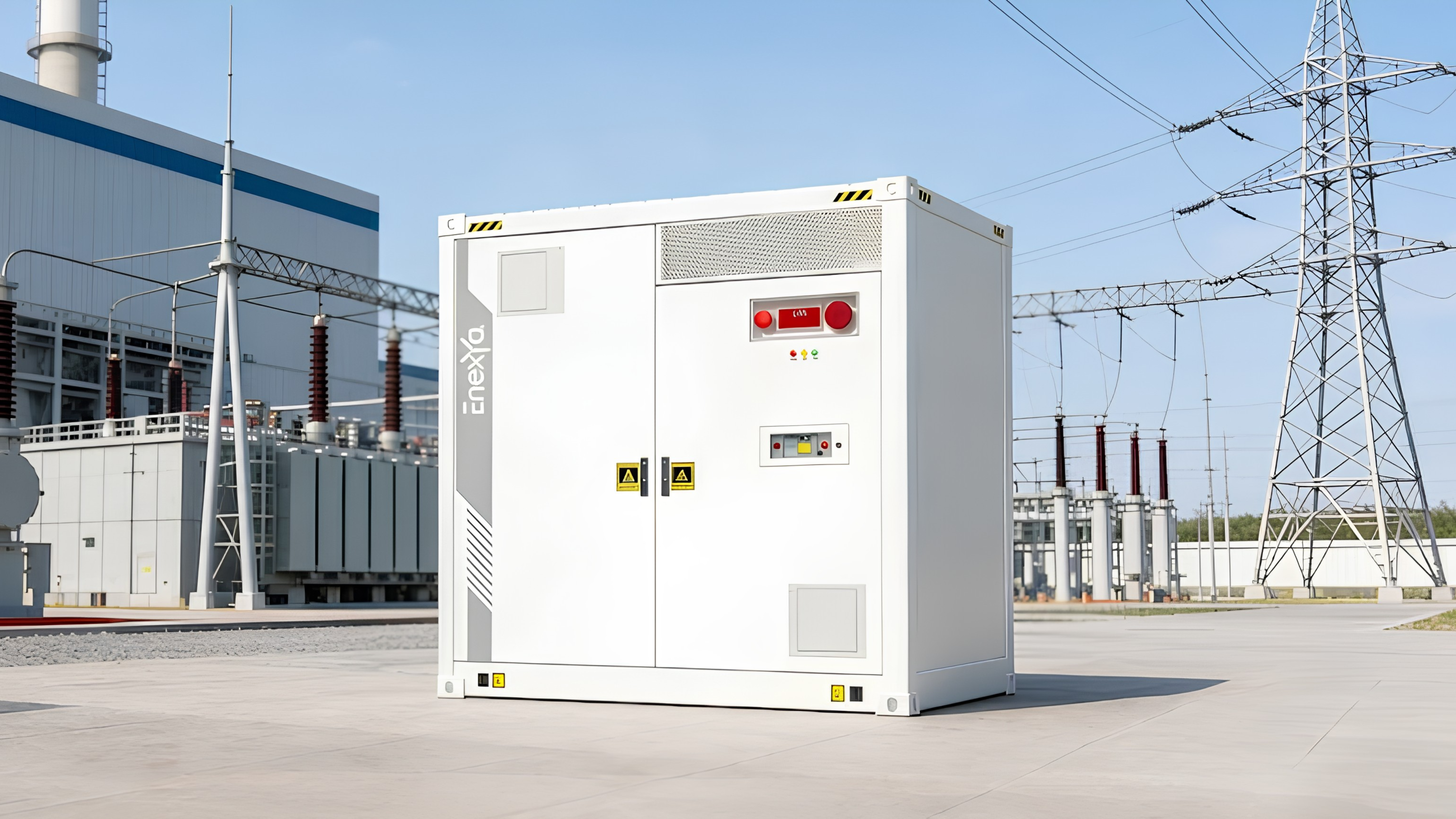
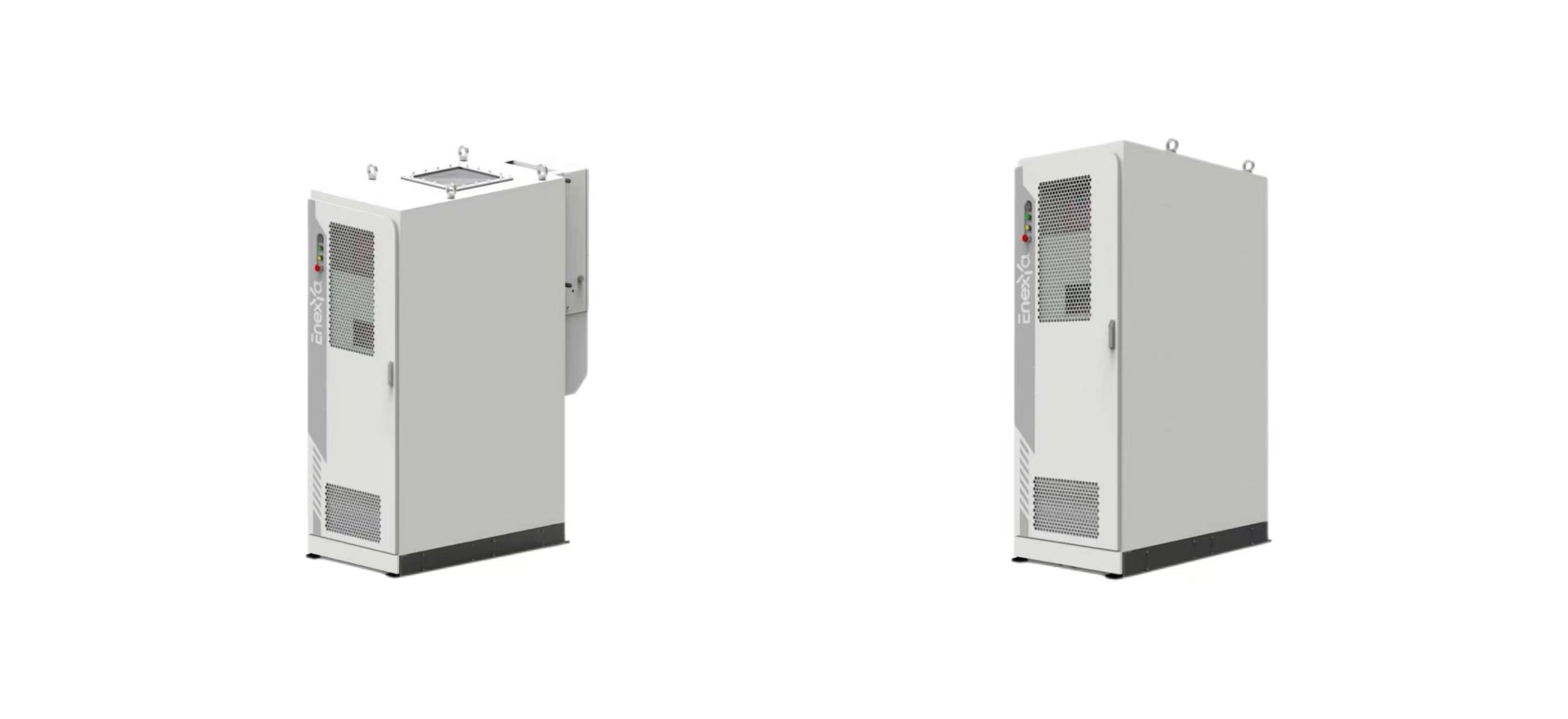
Enexya's C&I energy storage solutions are designed around this system-level approach.
Combined with an intelligent Energy Management System (EMS), battery storage can be configured around different project objectives, including solar self-consumption, peak management, load shifting and improved energy flexibility.
The appropriate strategy ultimately depends on the site's energy profile, grid conditions and operational requirements.
Solar Solutions International provided an important opportunity for Enexya to better understand these evolving market needs and exchange perspectives with local installers, developers and energy professionals.
From grid constraints and solar integration to intelligent energy management, the discussions in Amsterdam highlighted how the Dutch market is moving beyond renewable generation alone toward a more flexible and integrated energy system.
We would like to thank everyone who visited Enexya at Booth E17 and shared their ideas, projects and market perspectives with our team.
We look forward to continuing these conversations and supporting new energy storage opportunities in the Netherlands and across Europe.
Looking for a flexible battery energy storage solution for a commercial or industrial project?
Contact Enexya to discuss your project requirements and explore the right energy storage architecture for your application.